Cork is a unique type of flooring that can be used in a number of rooms. Cork is a gift from nature and a versatile flooring option that can help create a safe, comfortable, and fashionable look. This buying guide will highlight the benefits of cork flooring and help you find the perfect cork floor for any room.
What is Cork?

Cork is a material extracted from the bark of a cork oak tree, which only grows in the forests of Mediterranean countries. The largest concentrations of plantations are found in Portugal. The first harvest produces a structured product known as 'virgin cork.' This is the part used for cork flooring. The second harvest occurs 9 to 12 years later, and is known as 'secondary cork.' This secondary cork is often used in flooring underlayment, tack boards, and footwear.
Harvesting cork bark doesn't harm the tree, and the cork tree doesn't need to be cut down during the harvesting process. Unlike other types of trees that may die when they have their bark removed, the cork oak survives and will grow its bark again within a decade. Because these trees can live up to 200 years or more, the cork can be harvested many times over. This makes it an ideal material for manufacturing a wide variety of products, the most common being flooring and wine corks. Periodically extracting the cork enables the tree to produce 250 to 400 percent more than a tree that does not go through this process.
Cork has been used by the flooring industry since the early 1900s. Like many products, technological advances have improved its quality. Today, cork flooring is more durable and available in a wider selection of modern patterns and colors.
Benefits of Cork Flooring
Cork flooring provides a number of benefits, including the following.
Environmental Sustainability: Because the tree is not cut down during the harvest process, it is an environmentally-friendly flooring option.
Health: Cork is a naturally hypoallergenic and antimicrobial material. Plus, it is resistant to mold, mildew, and termites.
Durability: Prefinished cork floors come with a multilayered UV-cured finish for increased durability and protection from wear for many years. It bounces back naturally, so furniture will leave minimal indentations that are less noticeable than on wood, carpet, or vinyl floors.
Easy Maintenance: Only sweeping and damp mopping are required for regular maintenance. A well-maintained cork floor will last for years.
Comfort: Providing a comfortable cushion under compression, cork is soft and warm underfoot. This flooring will not become cold like ceramic tile, vinyl, and hardwood.
Fire Resistance: Cork is a fire inhibitor and will not spread flames. In addition, it does not release any toxic gasses during combustion.
Thermal and Acoustical Insulation: Cork floors reduce impact noise, which is a great asset if you plan to install them in commercial buildings such as multilevel housing, office spaces, museums, and places of worship.
Locations
Cork is very lightweight, compressible, and elastic. This makes it a great flooring option for a number of rooms in your home.
Children's Bedrooms and Playrooms: Cork has a naturally soft and cushiony feel. Using cork in your child's bedroom or playroom gives them a soft surface to play on. It also provides a soft landing place if your child trips and falls.
Kitchens: Cork is easy to clean and maintain, and its soft surface makes it comfortable to stand on for long periods, like while you're cooking.
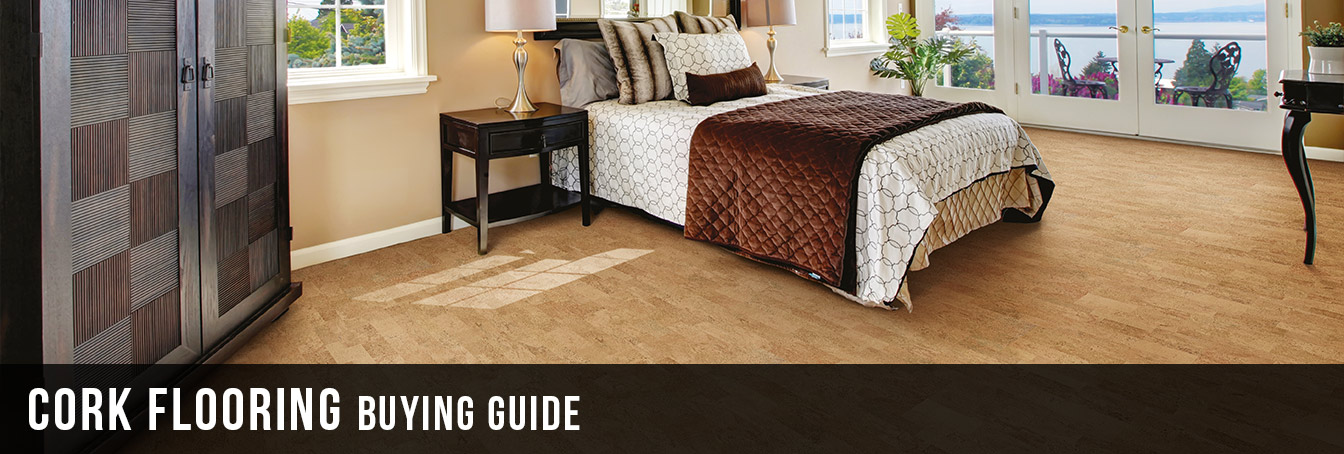
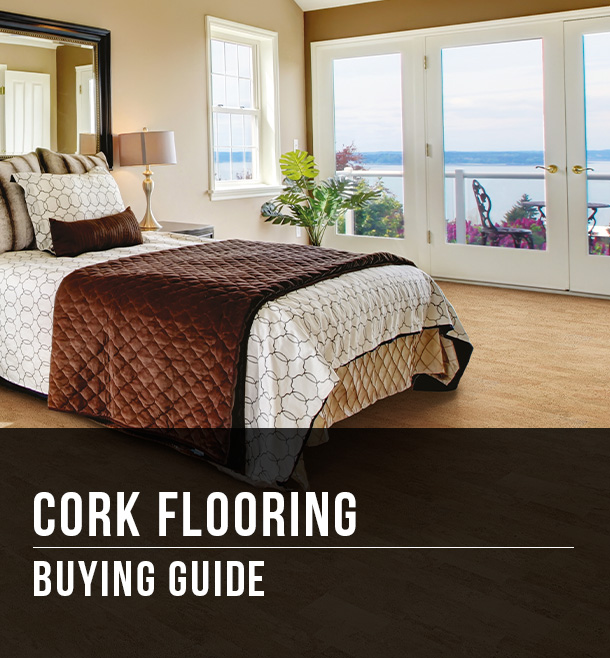
Bedrooms: Cork flooring is available in several colors and styles, allowing it to complement a number of bedroom décor styles.
Second Story Rooms: A piece of cork is made up of many tiny air pockets. These air pockets provide insulation and muffle noise. Installing cork on a second story floor will deaden the sounds of footsteps and movement, so it will be quieter for everyone on the floor below.
Loading...